
Evaluating EvidenceA finding becomes more persuasive when people outside the original team can obtain a similar result. Learn what independent replication tests, why it matters, and how to judge both successful and unsuccessful attempts.
Read article · 4 min↗

Evaluating EvidenceA collection of published studies may not represent every study that was conducted. Learn how publication bias arises, why it can make an effect look stronger than it is, and what to check when evaluating a review of the evidence.
Read article · 4 min↗
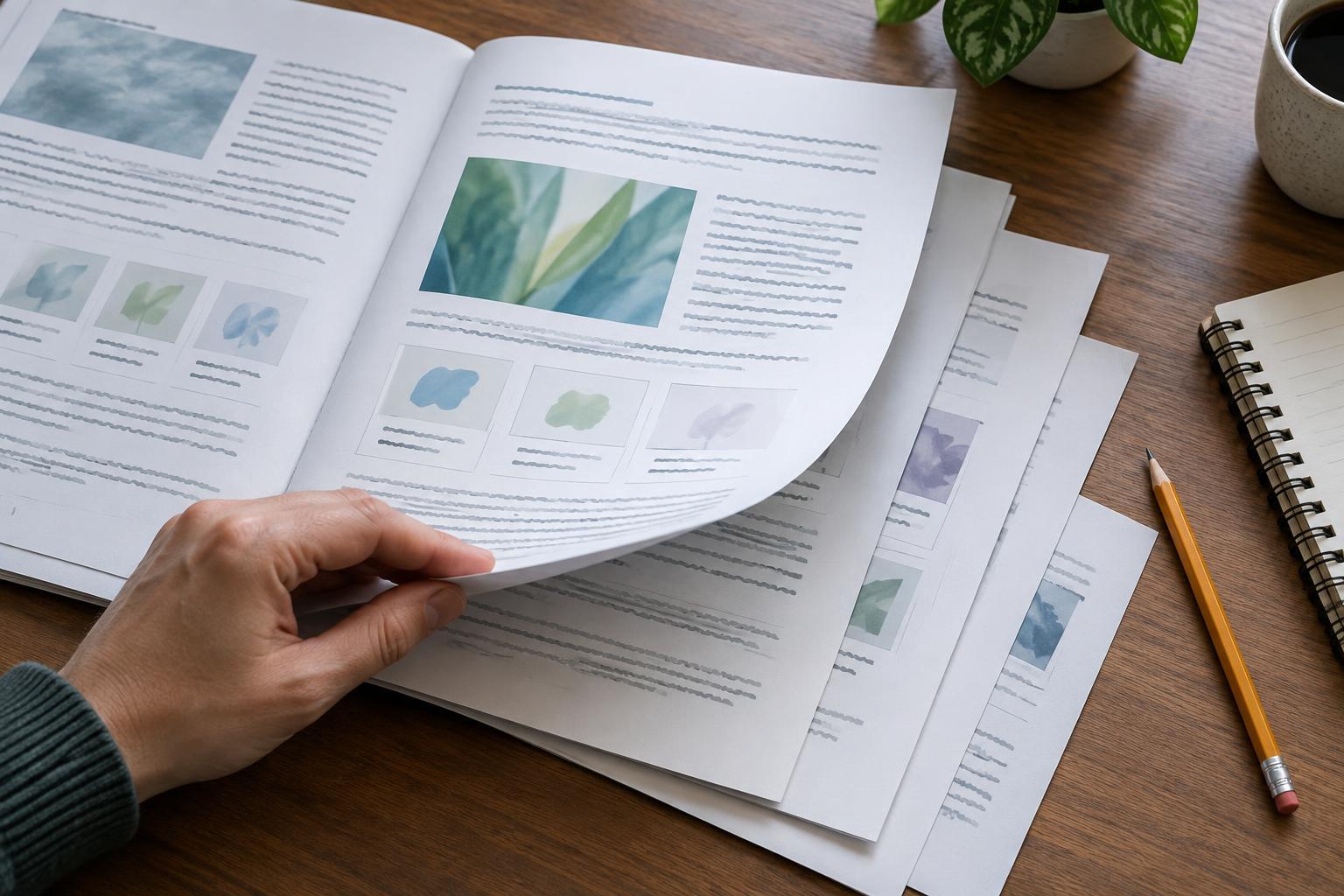
Evaluating EvidenceA report can be accurate about the results it presents and still give a misleading impression by leaving other results out. Learn how to compare a study’s question, methods and findings to spot selective outcome reporting.
Read article · 4 min↗
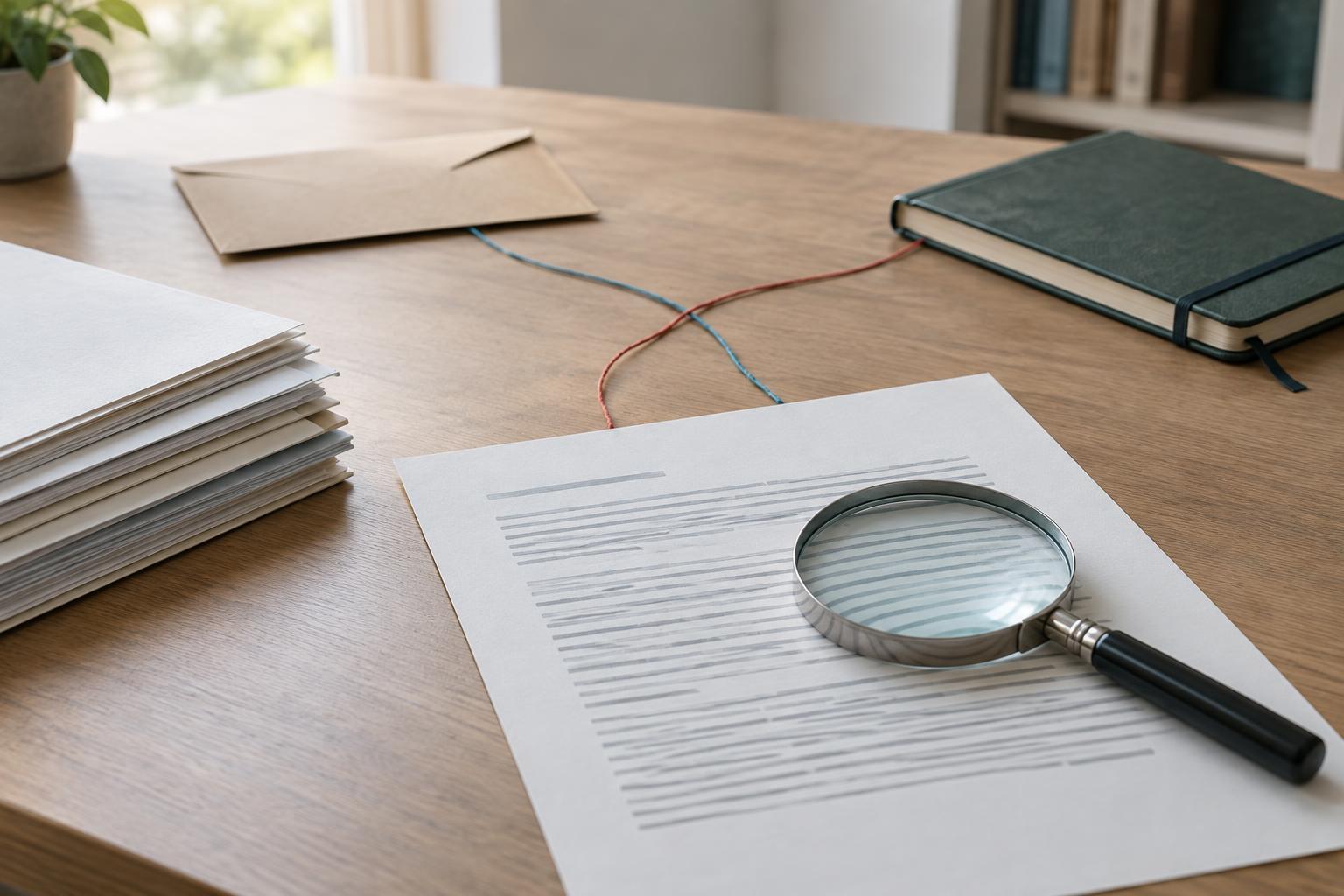
Evaluating EvidenceFunding and conflicts of interest can affect how evidence is produced and presented, but neither automatically makes a finding wrong. Learn how to identify relevant relationships, examine their possible influence, and weigh the work on its merits.
Read article · 3 min↗
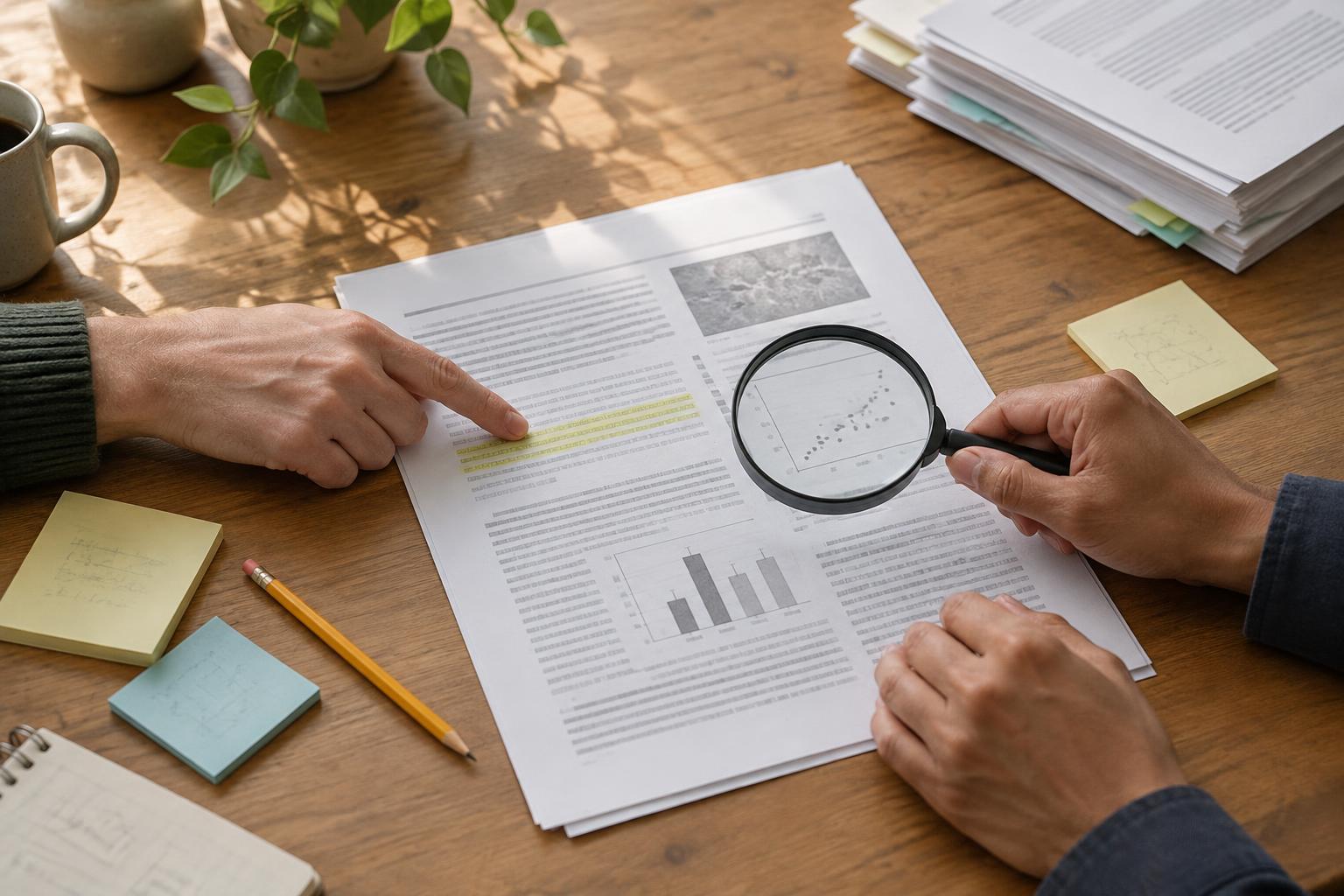
Evaluating EvidencePeer review can help improve a study before publication, but it is not a guarantee that the findings are correct. Learn what reviewers typically assess, what they may miss, and how to evaluate a peer-reviewed study for your own question.
Read article · 4 min↗

Evaluating EvidenceA vivid story can reveal a question worth investigating, but it cannot show how often an outcome occurs or what caused it. Learn how to use anecdotes as starting points while looking for the broader evidence needed to identify a pattern.
Read article · 3 min↗

Evaluating EvidenceWhat people say they do and what an observer records can differ without either account being useless. Learn how to judge self-reports and behavioral observations by matching each method to the question, checking how the evidence was collected, and interpreting disagreements carefully.
Read article · 4 min↗
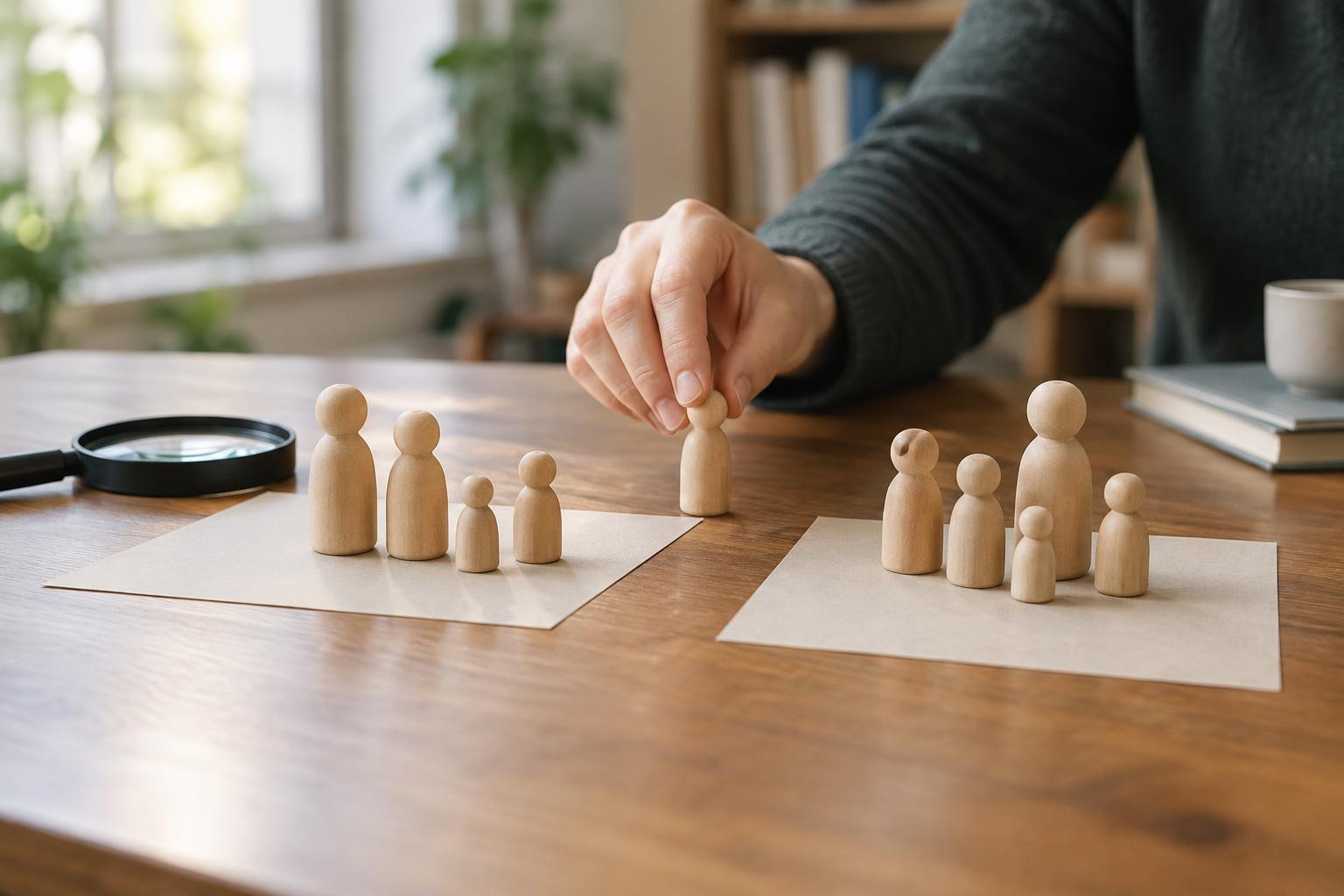
Evaluating EvidenceA finding can be sound for the people studied yet uncertain for the people you care about. Learn how to compare populations, settings, and outcome measures before applying research beyond its original sample.
Read article · 4 min↗

Evaluating EvidenceA study can measure its participants carefully and still give a misleading picture if the people included differ in important ways from those left out. Learn how to inspect recruitment, exclusions and response patterns before deciding what a result applies to.
Read article · 4 min↗

Evaluating EvidenceA larger sample can make an estimate more precise, but it cannot fix a biased sample or a flawed study. Learn how to judge sample size alongside variation, sampling methods and the claim being made.
Read article · 4 min↗

Evaluating EvidenceA control group helps show what might have happened without an intervention, but only if it offers a fair comparison. Learn how to check group selection, starting conditions, treatment differences and missing data before trusting a study’s conclusion.
Read article · 4 min↗

Evaluating EvidenceA study can find a real association and still give a misleading impression of cause and effect. Learn how confounding variables work, how to spot plausible alternatives, and how to describe findings with appropriate caution.
Read article · 4 min↗

Evaluating EvidenceA randomized trial and an observational study can examine the same question yet support different conclusions. Learn how assignment, confounding, study quality and context affect what the evidence can establish.
Read article · 4 min↗

Evaluating EvidenceA study can collect data carefully and still miss the idea it set out to investigate. Learn how to compare a research claim with its actual measures, spot the limits of common proxies and decide how much a finding supports its conclusion.
Read article · 4 min↗
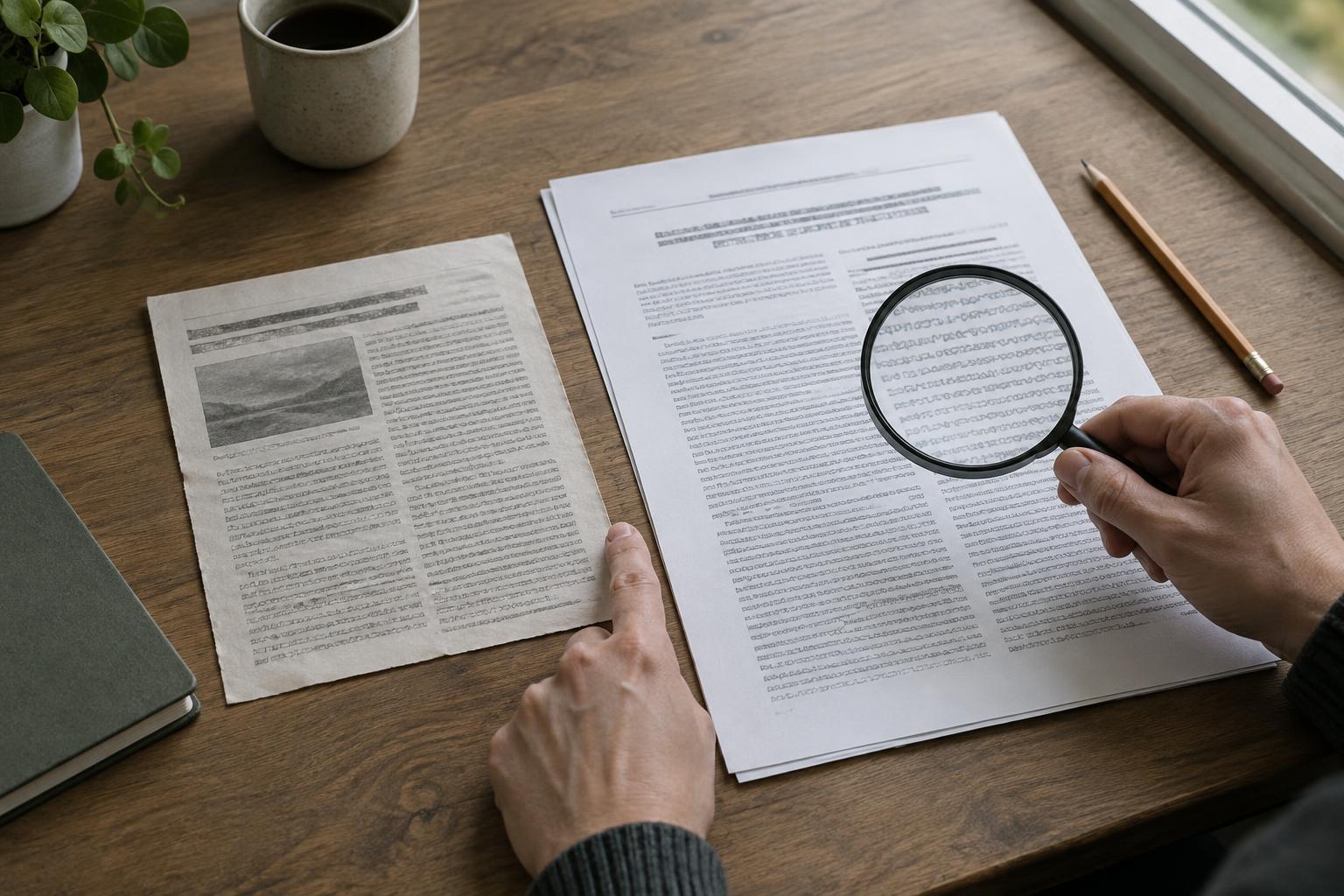
Evaluating EvidenceA headline can describe a real study and still give the wrong impression. Learn how to trace a claim to its source, compare its wording with the study’s methods and results, and explain what the evidence actually supports.
Read article · 4 min↗

Evaluating EvidenceA survey, a forecast, and a comparison between groups can each provide useful evidence, but they answer different questions. Learn how to identify whether a claim describes a pattern, predicts an outcome, or argues that one thing causes another—and what to check before accepting it.
Read article · 4 min↗