Finding SourcesA claim may appear in dozens of articles without a clear path to the evidence behind it. Learn how to follow citations, search for distinctive wording, and recognize when the original source cannot be found.
Read article · 4 min↗

Finding SourcesA search can return many results and still leave out important viewpoints. Learn how to map the perspectives relevant to your question, search for each one, and decide when you have enough variety to move forward.
Read article · 3 min↗
Finding SourcesA search log records where you looked, what you typed, and what happened. Learn how to keep one simple enough to use while making it easier to repeat searches, spot gaps, and choose better search terms.
Read article · 4 min↗

Finding SourcesA paywall does not always mean an article is out of reach. Use your library, search for authorized copies, check related versions, and request the work when necessary—while keeping track of which version you read.
Read article · 3 min↗
Finding SourcesConference research can be scattered across publisher collections, society websites, institutional repositories and event programs. Learn a practical search process for finding papers, checking which version you have and keeping a reliable record of what you find.
Read article · 4 min↗
Finding SourcesTheses and dissertations can help you understand how a research question has been studied, which methods have been used, and where gaps may remain. Learn how to search catalogs and repositories, follow promising leads, and assess what you find.
Read article · 4 min↗

Finding SourcesA practical guide to finding reusable datasets: turn a research question into search terms, use repository filters, read dataset records carefully and check whether the files fit your project before downloading them.
Read article · 4 min↗
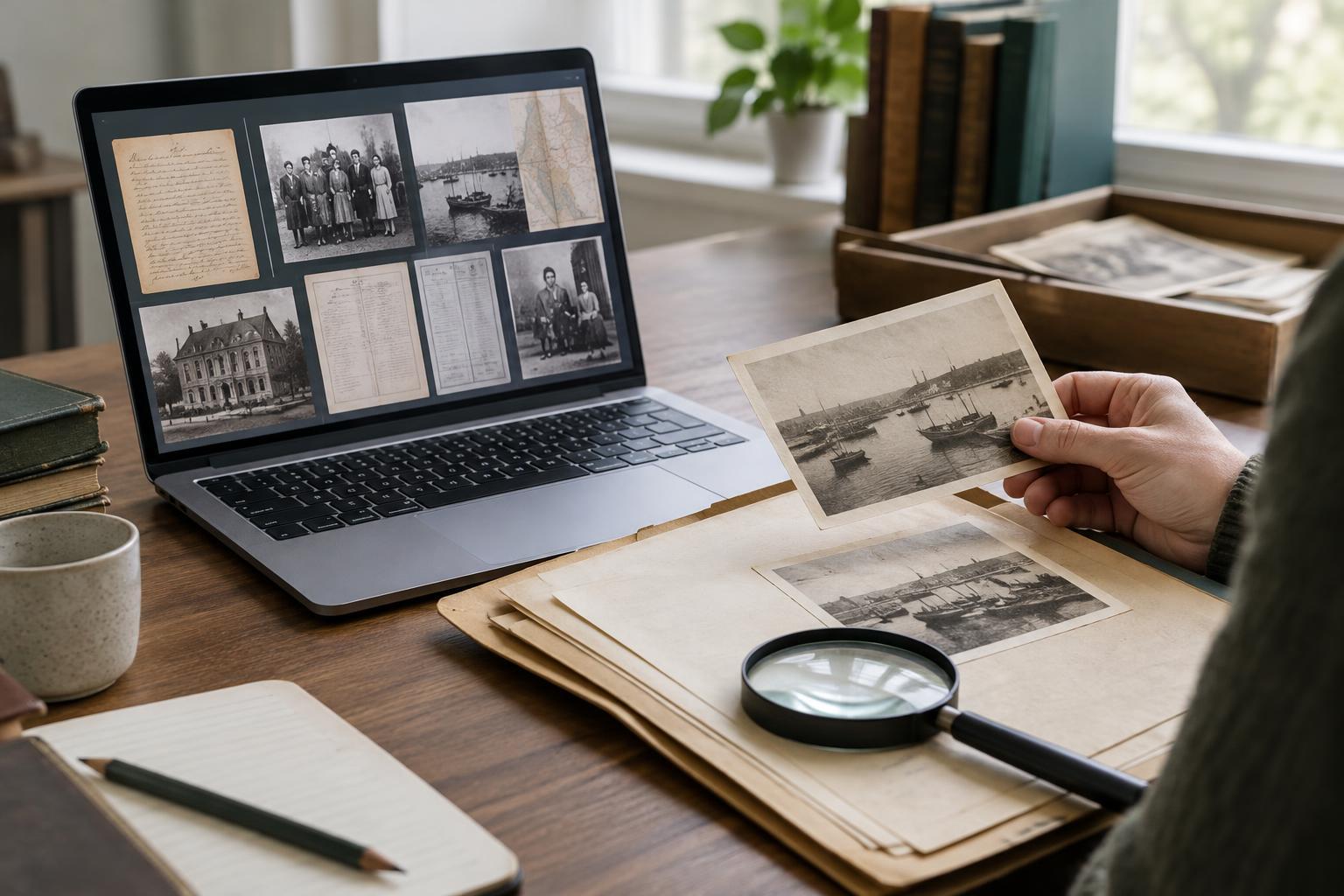
Finding SourcesDigital archives can put letters, photographs, maps and official records within reach, but finding a useful source takes more than a keyword search. Learn how to choose an archive, build flexible searches, read catalog descriptions and record what you find.
Read article · 4 min↗
Finding SourcesGovernment documents can answer questions about policies, decisions and public data, but they are often spread across agencies and document collections. This guide shows how to identify the right publisher, search for likely document types and check that you have found the version you need.
Read article · 4 min↗

Finding SourcesUseful evidence does not always appear in journals or books. Learn where to find reports, working papers and other grey literature, how to search for them efficiently, and what to check before relying on them.
Read article · 3 min↗
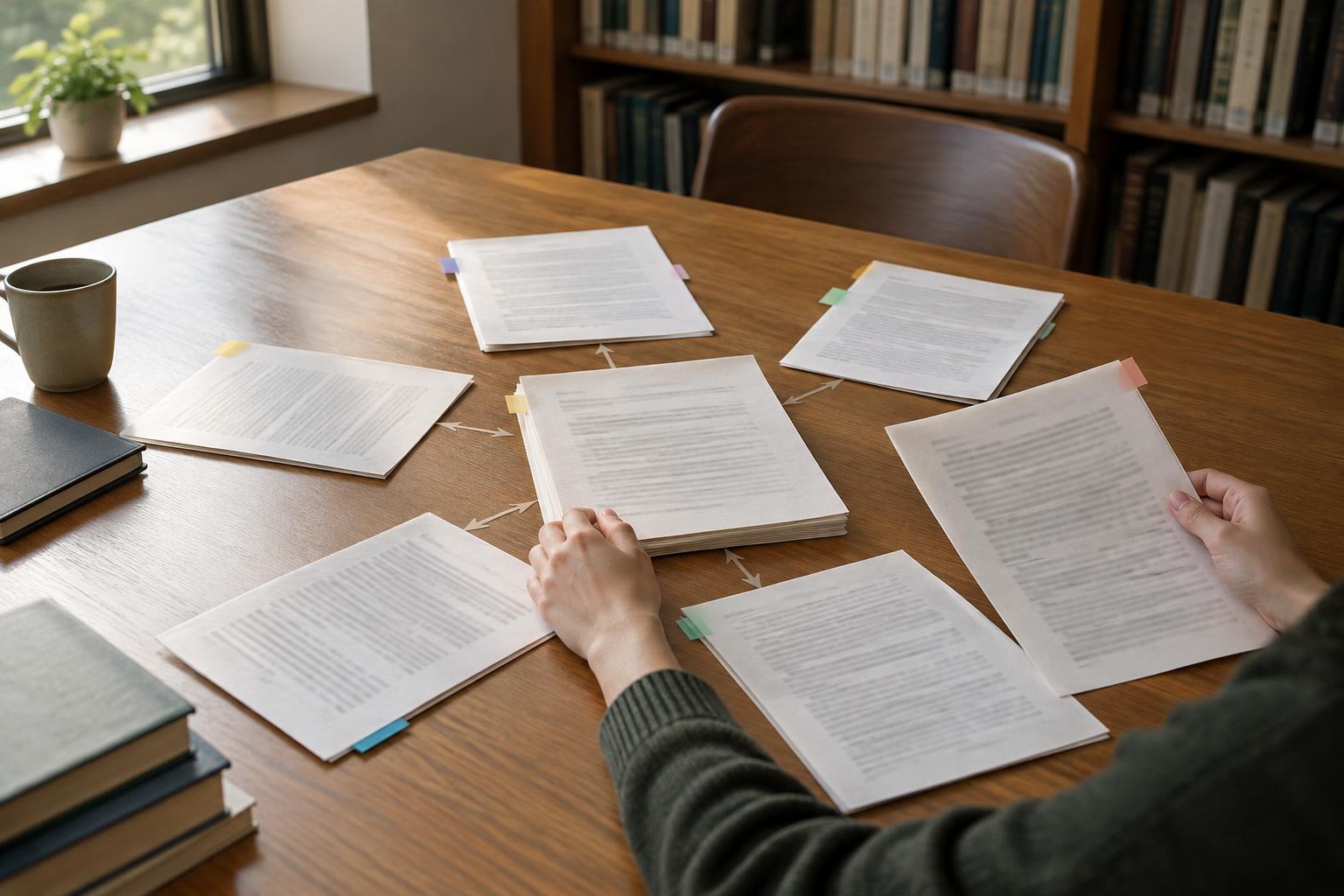
Finding SourcesA useful paper can be a starting point rather than the end of a search. Learn how to follow its citations forward, identify relevant newer work, and check what each source actually says about the original study.
Read article · 4 min↗
Finding SourcesA useful paper can lead you to earlier studies, competing explanations and essential background. Learn how to read its reference list strategically, check whether a cited work fits your question and keep track of what you find.
Read article · 4 min↗
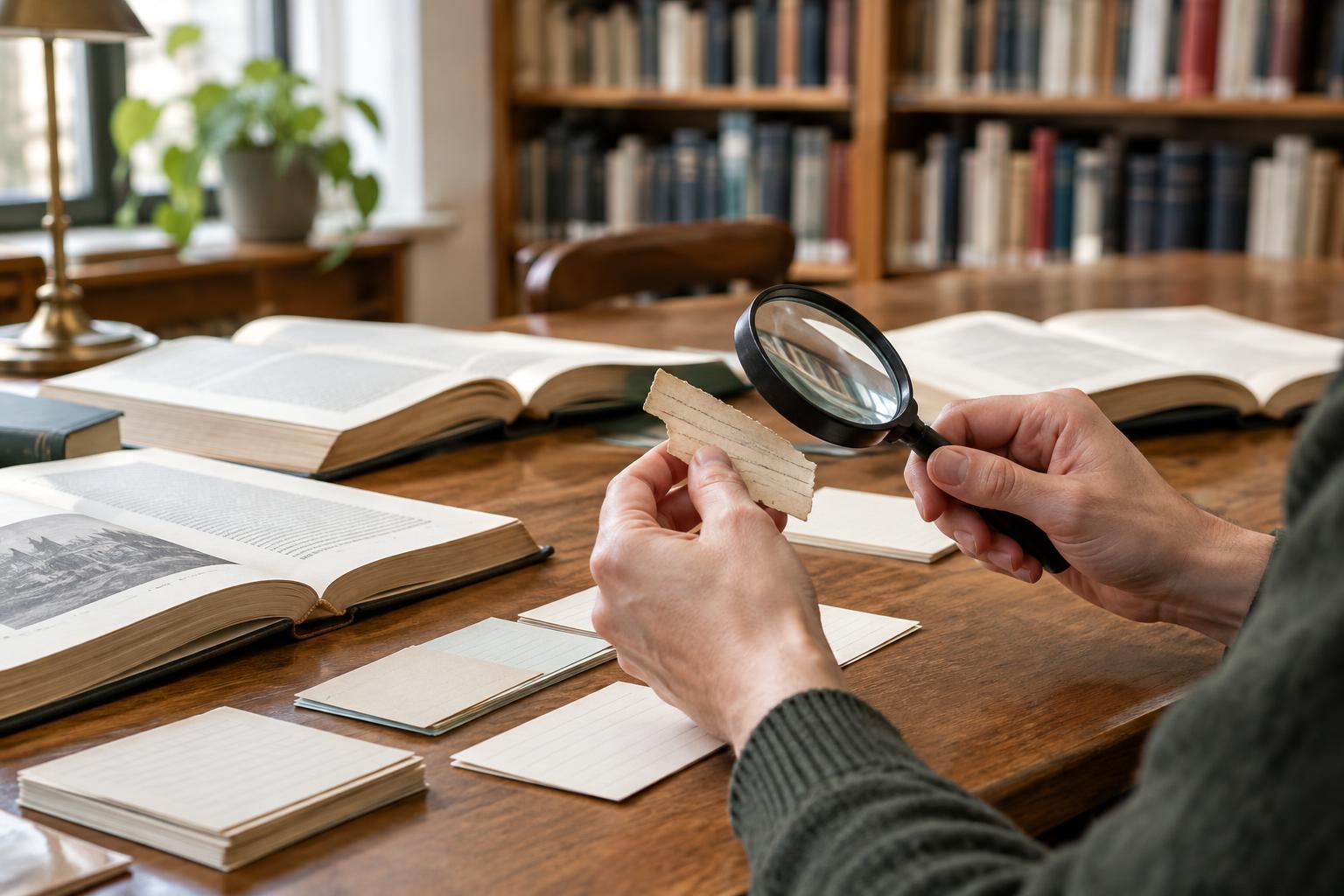
Finding SourcesA missing title, an uncertain author, or a fragment of a reference list does not have to end your search. Learn how to turn the clues you have into focused searches, check promising matches, and record what you can verify.
Read article · 4 min↗
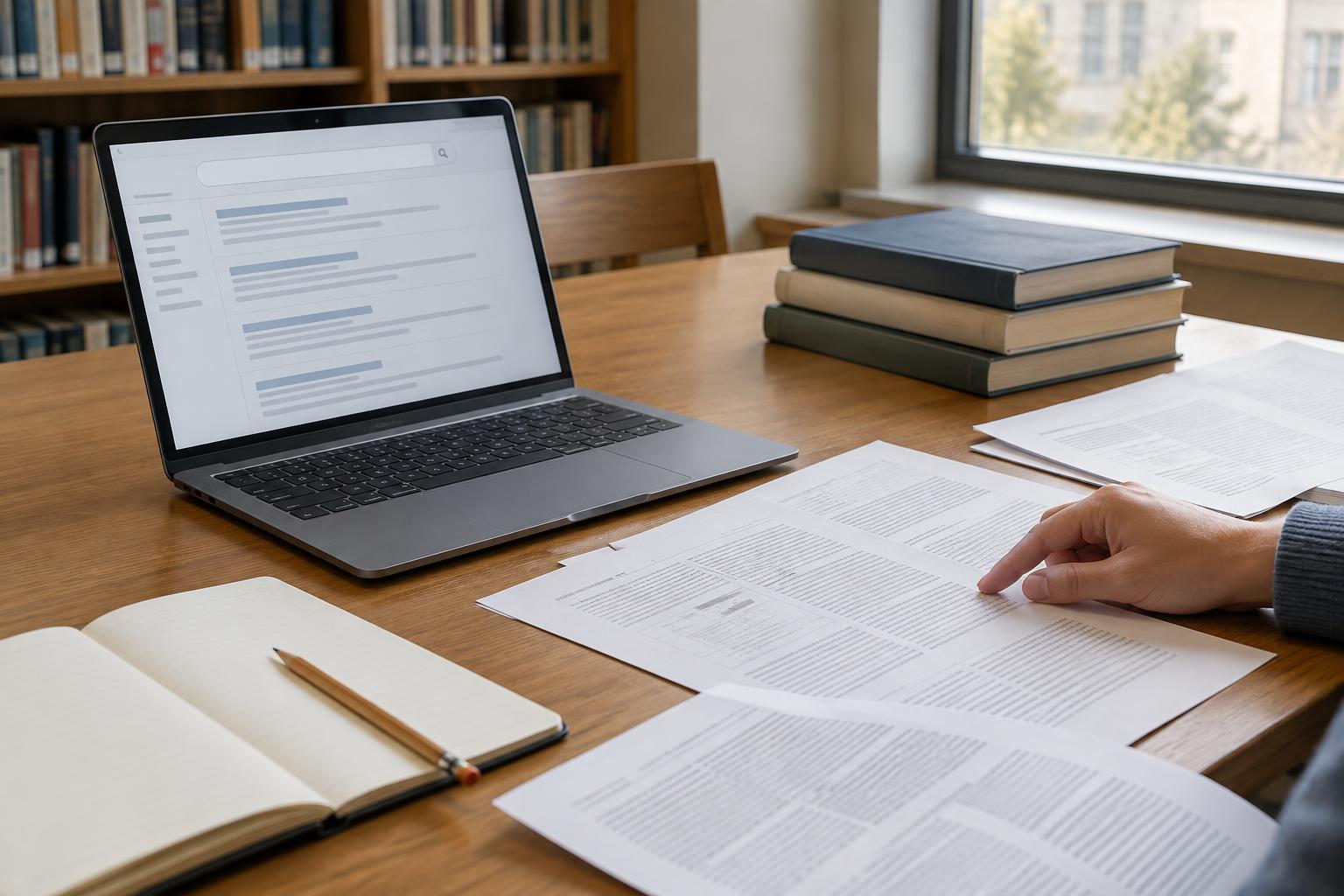
Finding SourcesA practical guide to turning a research question into Google Scholar searches, refining results, following citation trails, finding readable copies and keeping a record of what you find.
Read article · 4 min↗
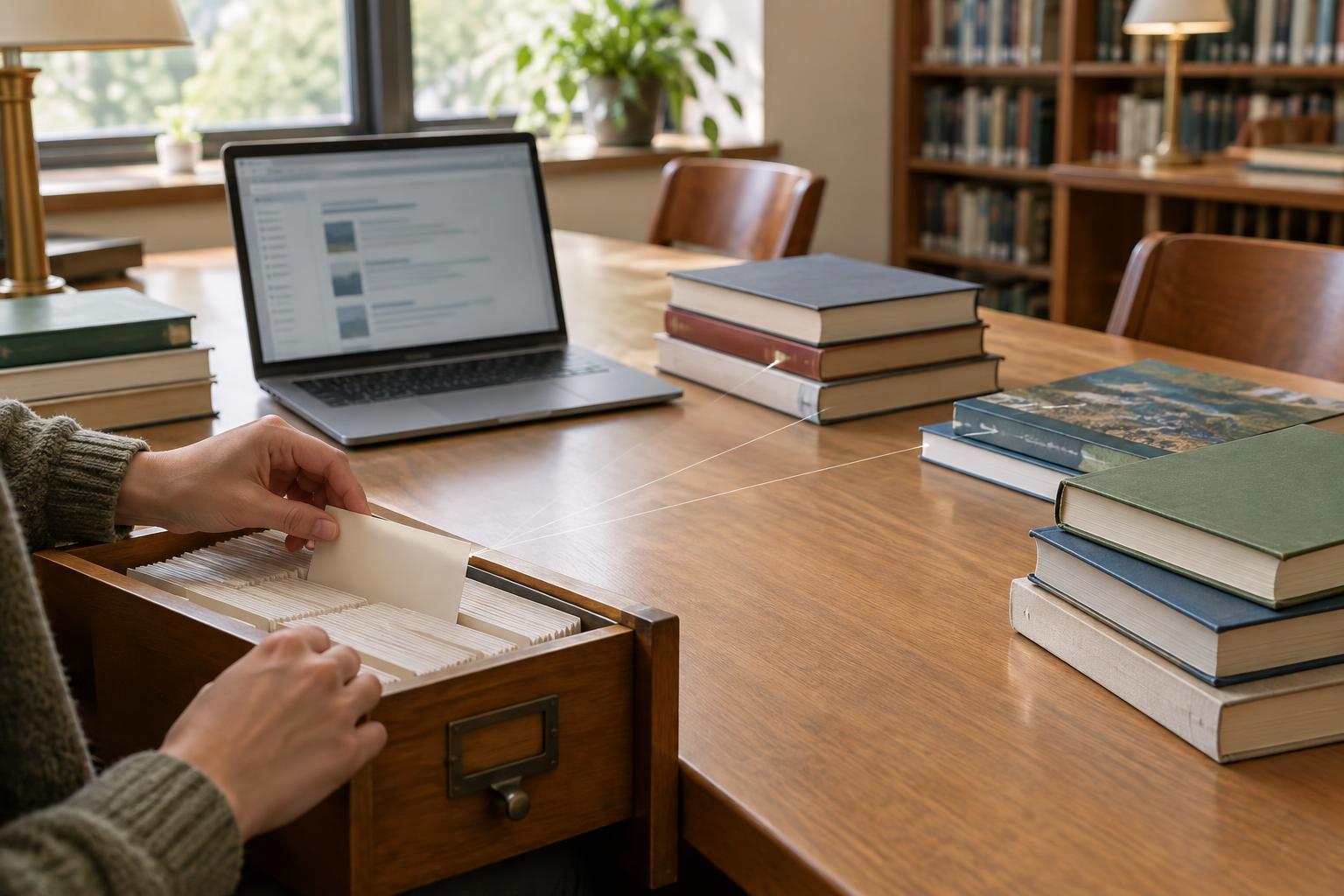
Finding SourcesA keyword search finds the words you type. A subject heading can also lead you to sources that use different words for the same idea. Learn how to find headings in library catalogs and research databases, combine them with keywords, and avoid common gaps.
Read article · 4 min↗

Finding SourcesA library catalog can help you move from a broad topic to a useful book, an available copy, or an ebook you can open. Learn how to choose search terms, read records, check access options, and use one good result to find more.
Read article · 4 min↗
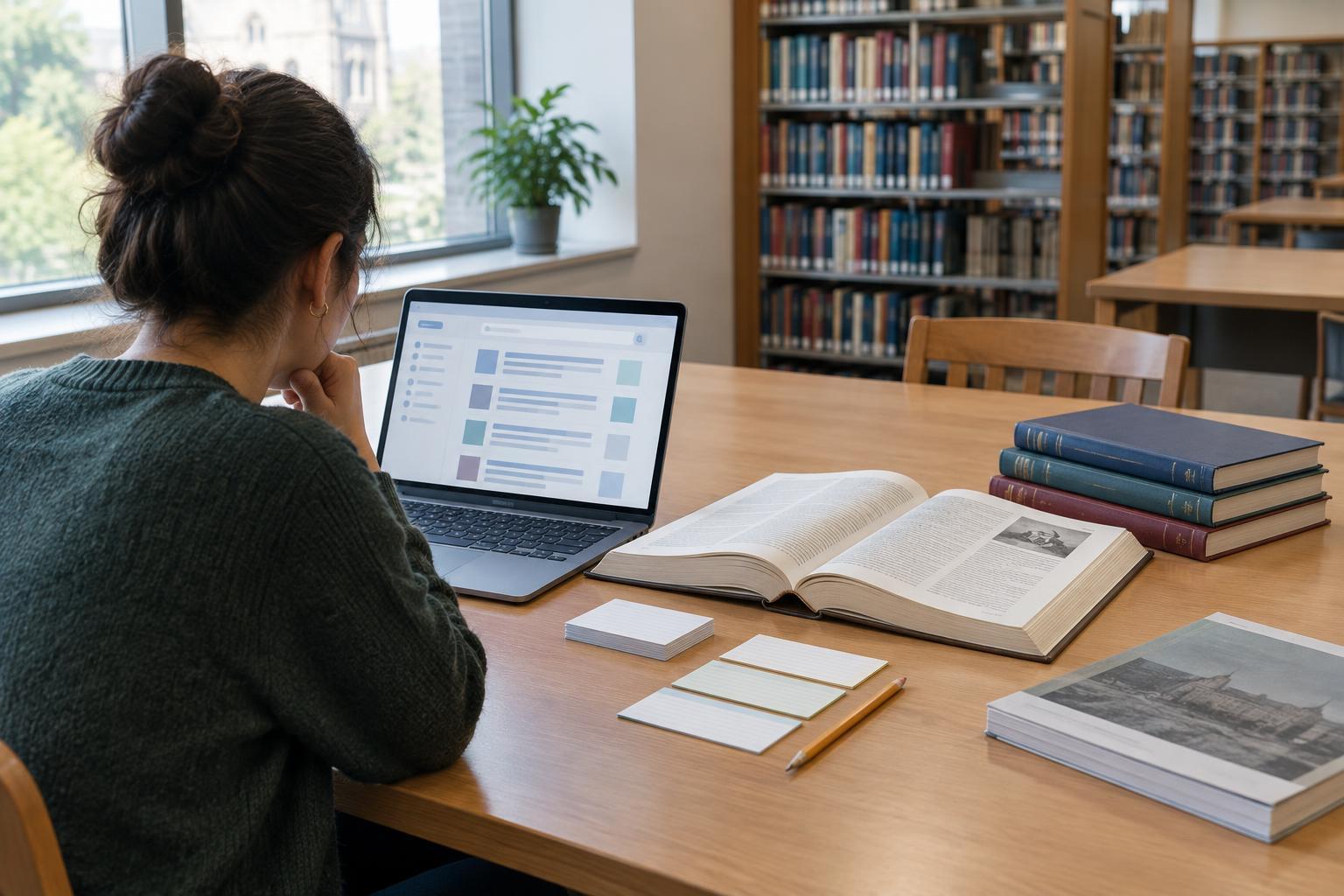
Finding SourcesA search engine, a library catalog, and an academic database can all help you find sources, but they answer different questions. Learn when to use each one, how to move between them, and what to do when a search returns too much—or too little.
Read article · 4 min↗
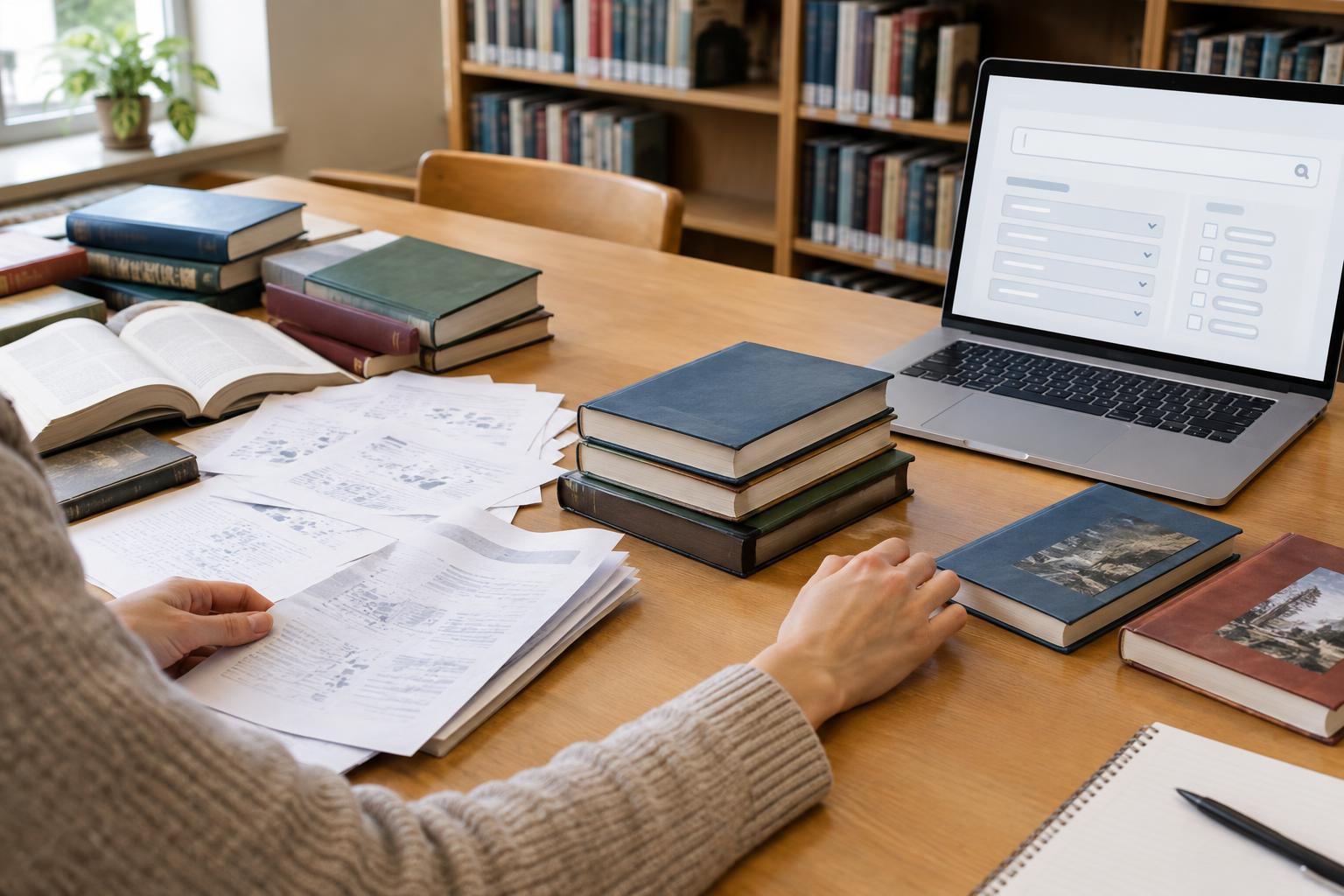
Finding SourcesSearch fields and filters can make a large set of results manageable, but they can also remove relevant material. Learn when to search titles, abstracts, and subjects; how to apply filters in stages; and how to check what a narrower search may have missed.
Read article · 4 min↗
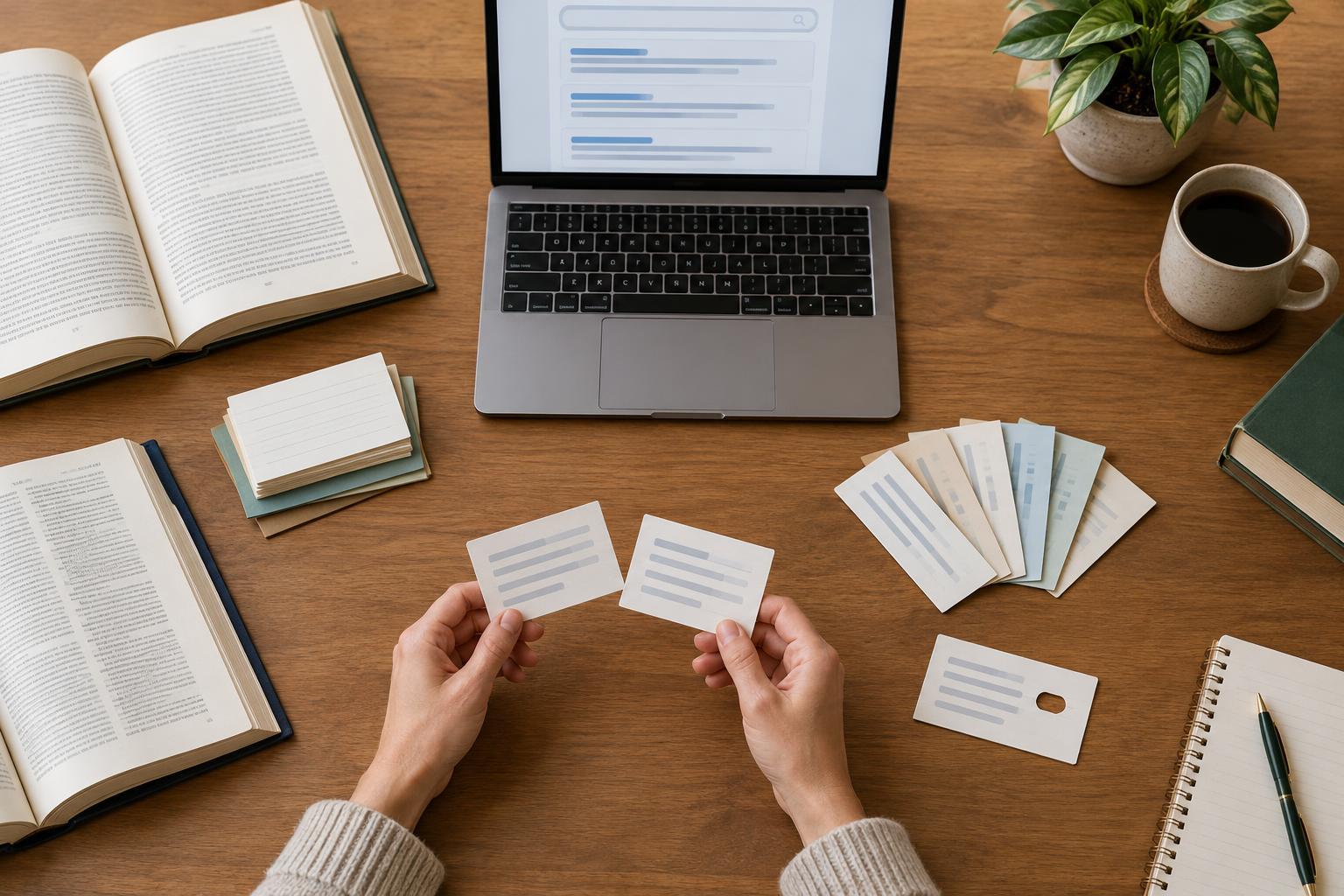
Finding SourcesSearch operators can make a large set of results more manageable—or accidentally hide useful sources. Learn when to search for an exact phrase, when to expand a word with truncation, and when a wildcard can help with spelling or word variants.
Read article · 4 min↗

Finding SourcesBoolean operators help you turn a broad search into a more useful one. Learn how AND narrows results, OR connects alternatives, and NOT excludes unwanted meanings, with examples you can adapt to your own research.
Read article · 4 min↗
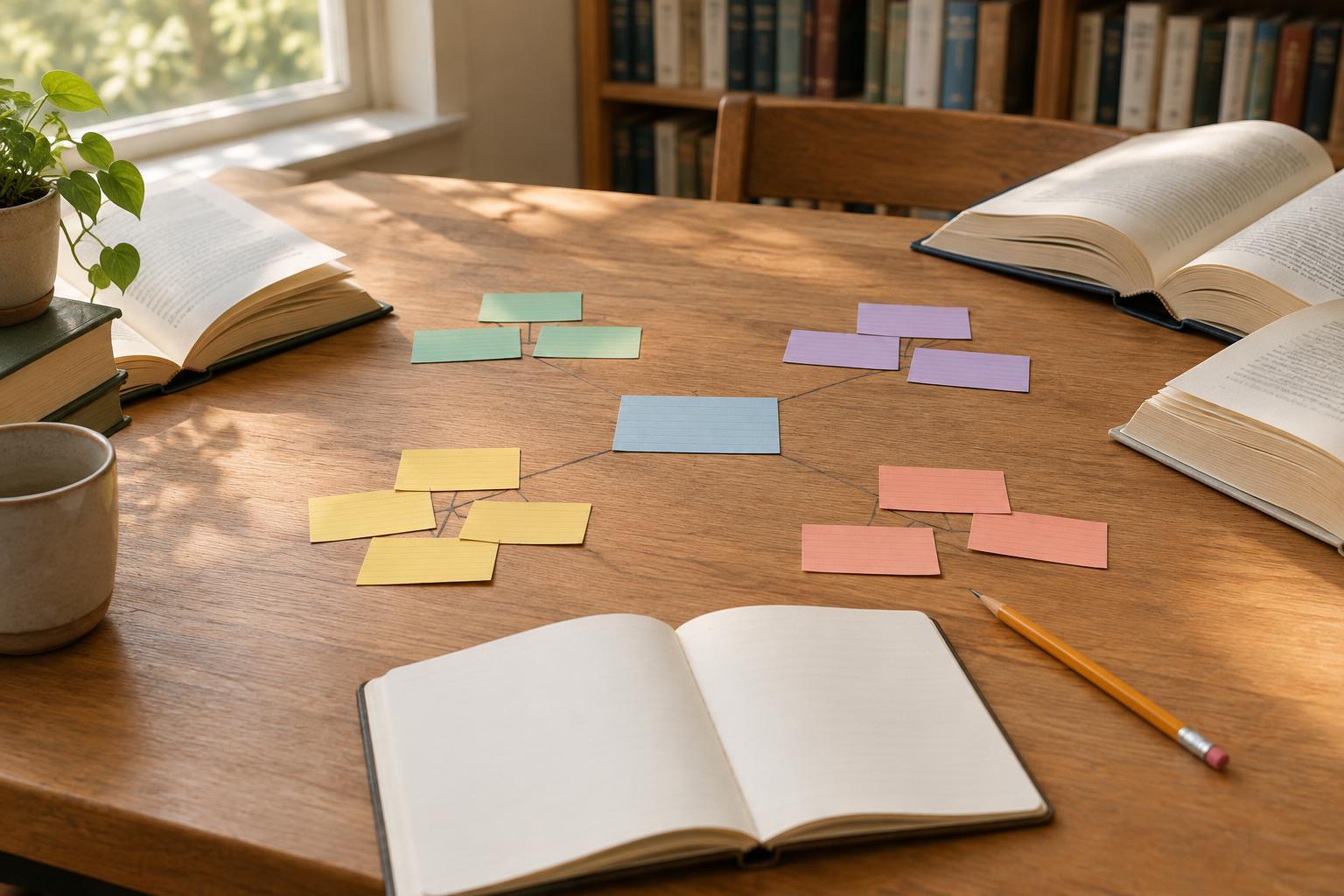
Finding SourcesA useful keyword list does more than repeat the words in your research question. Learn how to identify core concepts, add alternative language, distinguish synonyms from related terms, and refine your searches as you find sources.
Read article · 4 min↗
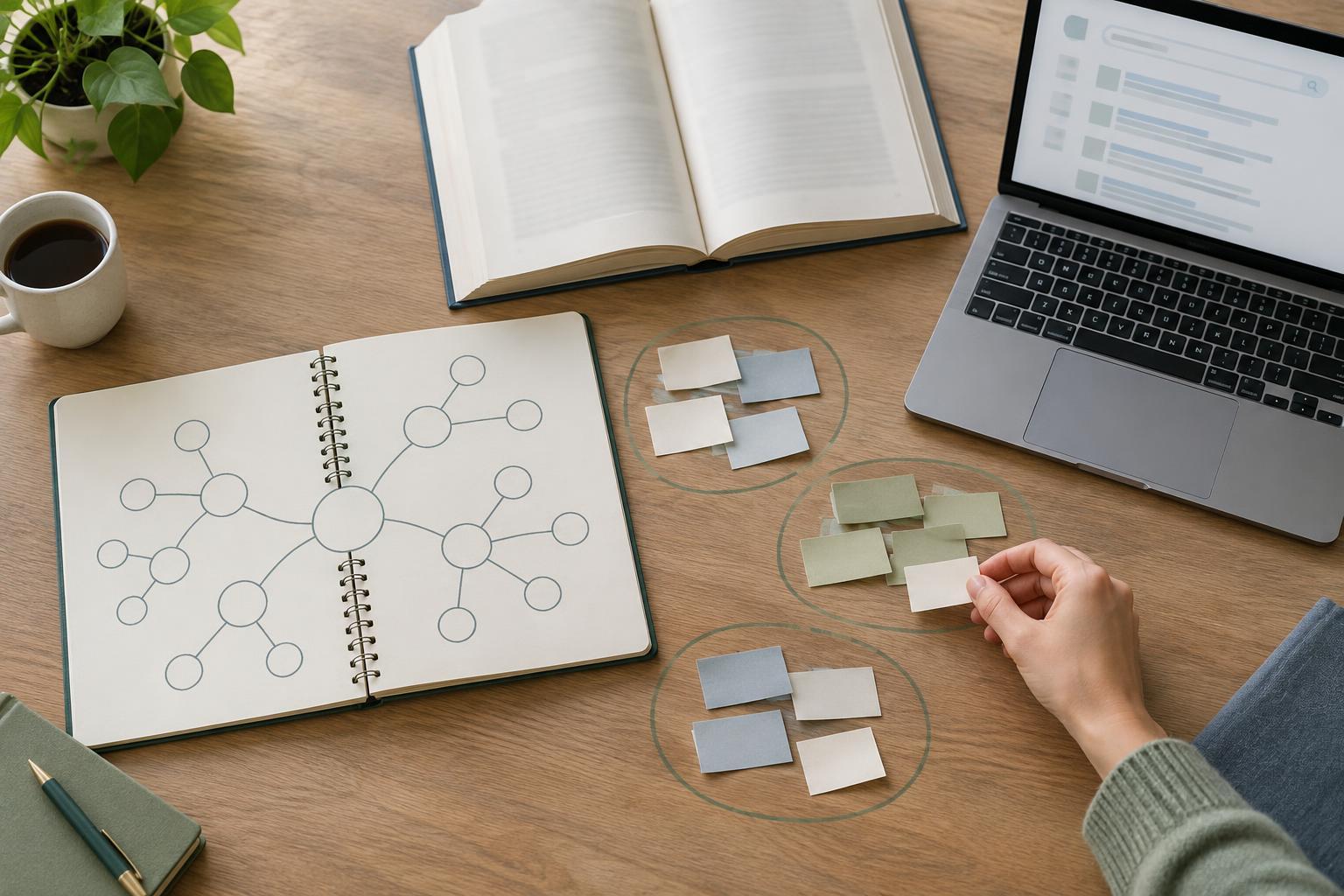
Finding SourcesA research question is not yet a search strategy. Learn how to identify its core concepts, choose useful alternatives, build a first query and revise it when the results reveal better language.
Read article · 4 min↗